
Gemma Ktown is part of an industrious dynasty of buildings that tells the story of a city eternally reinventing itself.
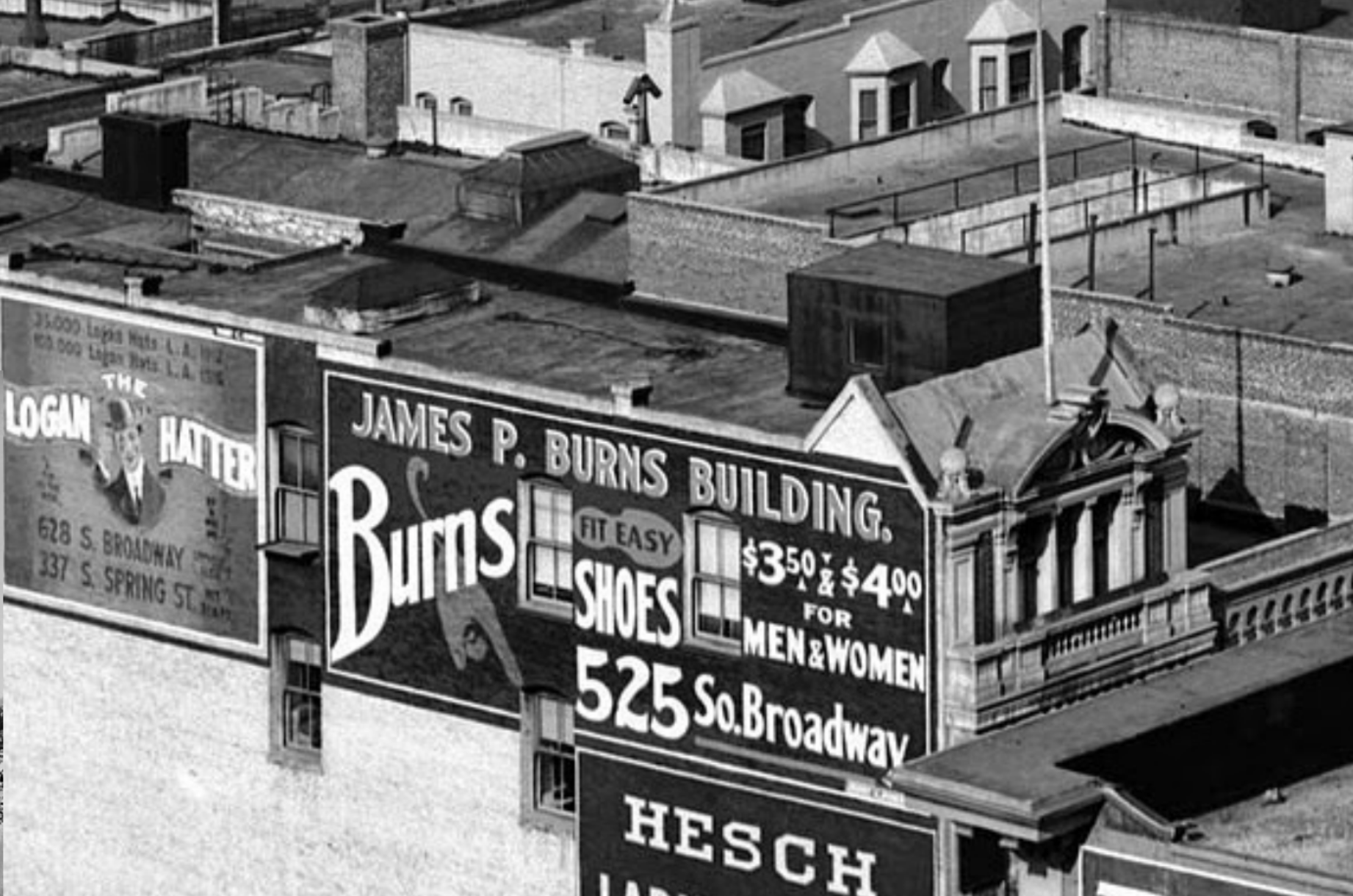
1900’s
Completed in 1910, architect B. Cooper Corbett was the first to break ground on this site, designing a 10-room home for one of LA’s early transplants and entrepreneurs, shoe magnate James P. Burns of Boston, MA. His primary residence until his death in 1928, the home remained residential until the 1950s.
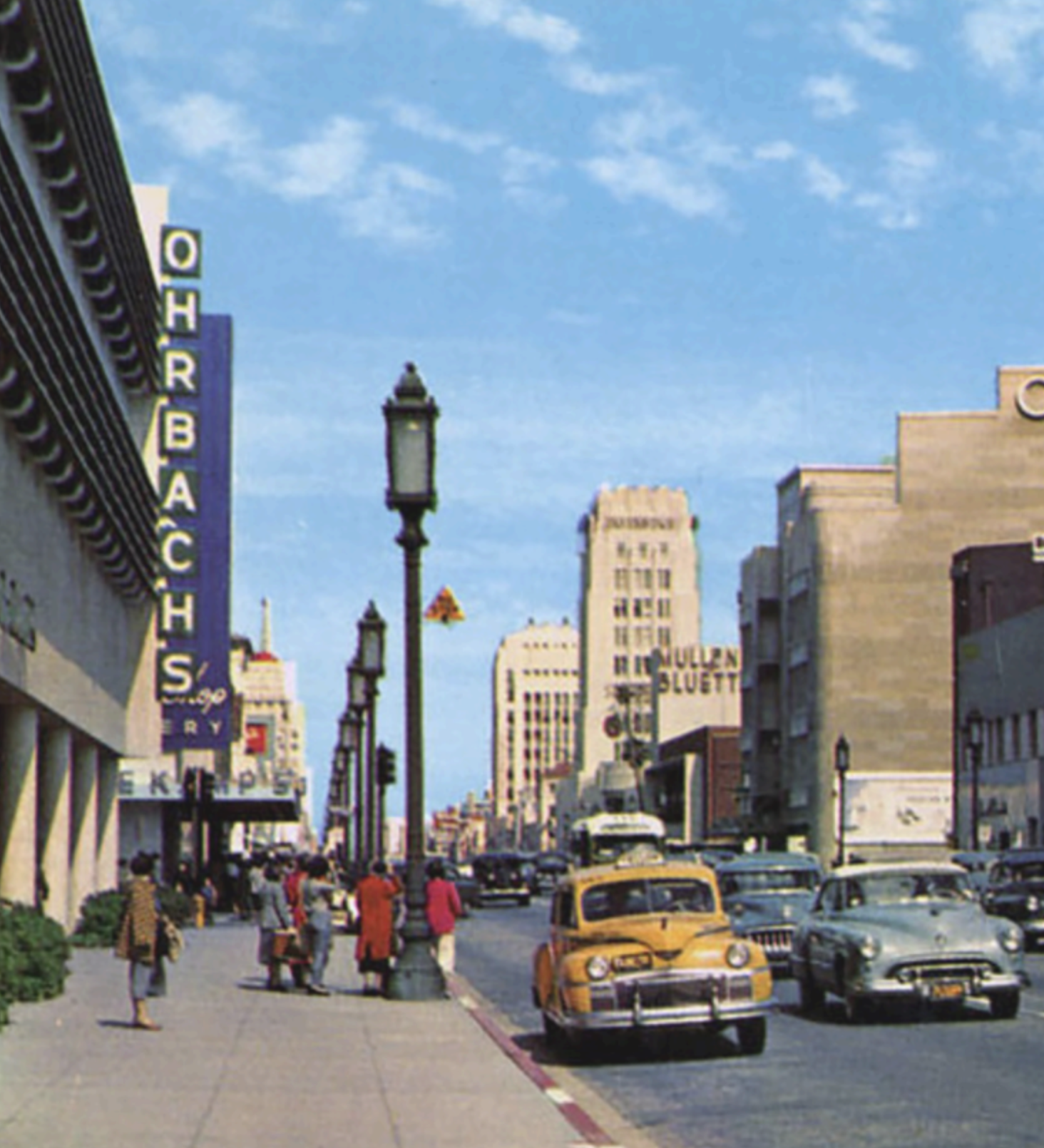
1950’s
As part of the midcentury movement to meet the modern age, New York developer Norman Tishman reimagined our stretch of Wilshire Boulevard as “Manhattan West” with a series of high rise commercial buildings by the architect Victor Gruen in the style of “Corporate Modernism” that came to be known as The Tishman Complex. Demolition of the Burns home began in 1956 and in just one year, a 12-story office building was erected, becoming the next Tishman building to open its doors to a new era of Los Angeles industry.
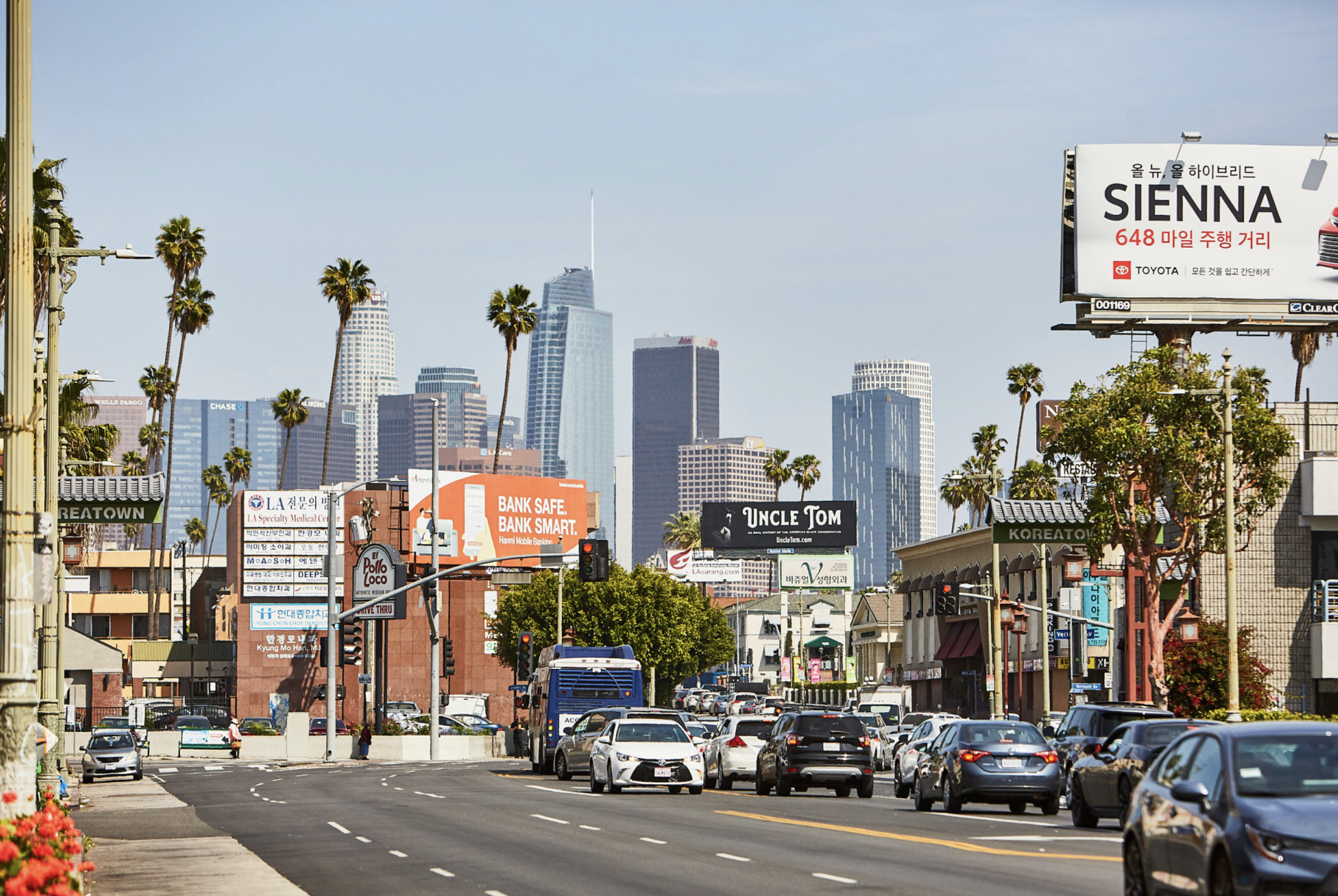
2000’s
Bridging its origins with its future, the aughts catered to an international milieu of tenants that dealt in politics, human rights, education, and trade. Home at various times to the Consulate General of Guatemala, the Korean American Coalition, Woori America Bank, the Korean American National Museum, the Immigrant American Foundation, and the Korean American Scholarship Fund, Gemma’s location truly celebrates the co-existence of past and present as it honors both history and change.
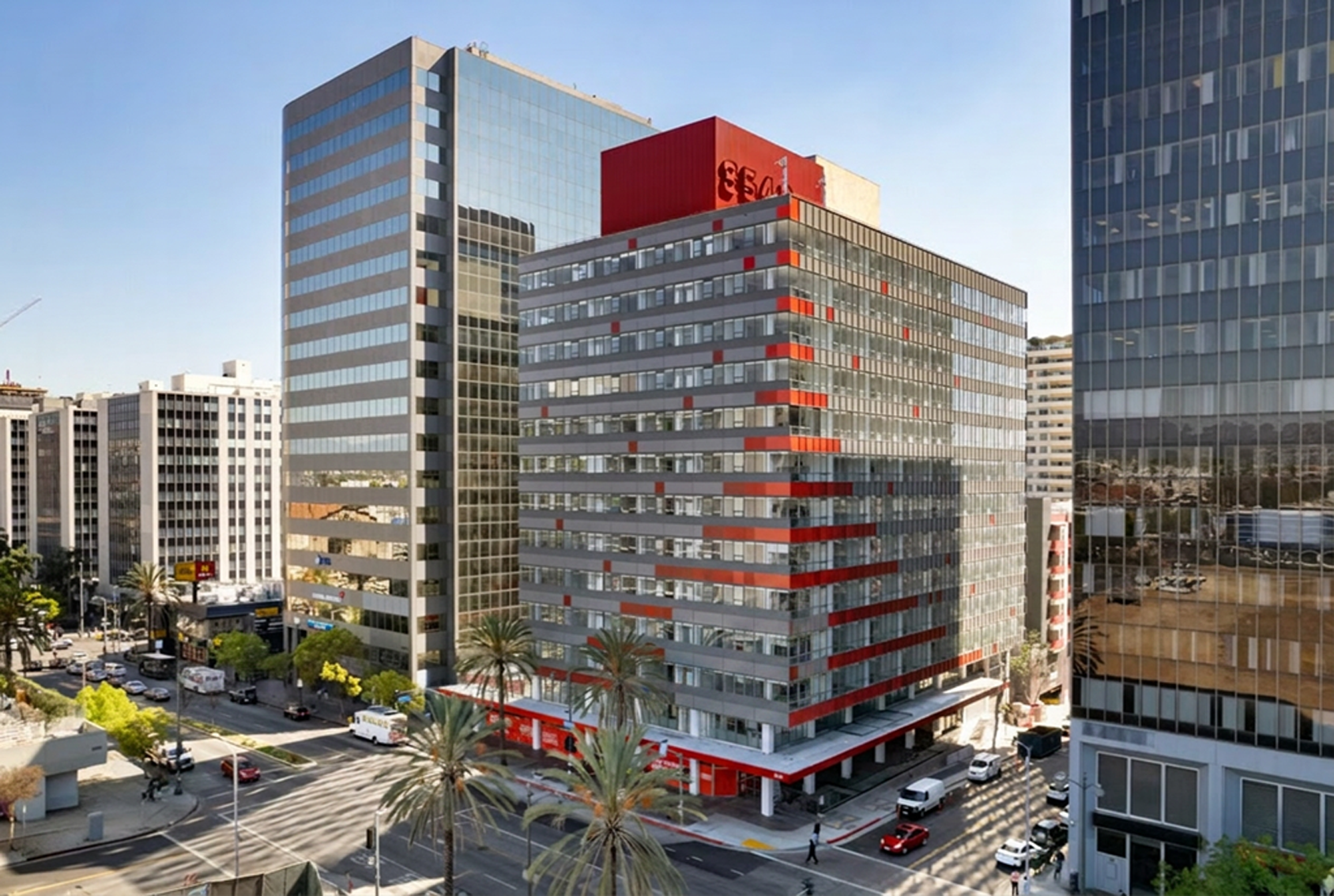
A bright new take on making life work where you live in the heart of the West Coast's cultural capital
Boldly design-driven, rich in irresistible jewel tones, alive with artful patterns, Gemma Ktown brings together mid century and Scandinavian design in a flawless composition to assert its own brand of iconic urban chic.